
Avebury
Avebury · Wiltshire · South West England
Walk among the world’s largest prehistoric stone circle, then follow the landscape towards West Kennet Long Barrow and Silbury Hill.
Avebury Stone Circle · Photo © ParaMaps
Avebury deserves 5★ – and the wider landscape turns it into a 5★ day
Avebury is the unmistakable star. West Kennet Long Barrow adds atmosphere and context, while Silbury Hill makes far more sense when seen as part of the same prehistoric landscape. Individually they are not equal attractions; together they create one of the strongest ParaMaps day trips we have tested.
What we found on the day
Field checked September 2026Built, buried and raised again
Avebury is not a single ring of stones frozen in prehistory. It is a vast Neolithic complex that was constructed and altered over centuries, later dismantled and buried, then partly restored in the twentieth century.
A monument takes shape
The great henge and stone circles were built and modified during the Neolithic period. The enormous outer circle originally contained roughly one hundred stones and enclosed two smaller circles.
Avenues extended into a wider ceremonial landscape containing gathering places, burial monuments and, later, the immense mound of Silbury Hill.
The stones disappear
Many stones were toppled, buried or deliberately broken. Some destruction may have reflected hostility towards a monument regarded as pagan; later stone-breaking also supplied useful building material.
Meanwhile, the village continued growing inside the henge, adding houses, lanes and fields to a landscape already carrying thousands of years of human activity.
Keiller restores the circle
Archaeologist Alexander Keiller excavated parts of Avebury and re-erected a number of buried stones. Concrete markers were placed where missing stones had once stood.
The monument seen today is therefore both prehistoric and reconstructed – an ancient complex partly recovered through twentieth-century archaeology.
Why was Avebury built?
The honest answer is that nobody knows. Archaeology can establish when the monuments were constructed, how materials were moved and what people left behind, but it cannot fully recover the beliefs that made generations reshape this enormous area of land.
Avebury may have hosted ceremonies, gatherings, processions and exchanges, or expressed relationships with ancestors, seasons and the surrounding landscape. Its avenues appear to connect different parts of the monumental complex, suggesting movement was part of the experience.
Solar, lunar and cosmological interpretations continue alongside ideas about fertility, sacred geography and the dead. Some are grounded more firmly in archaeology than others, but no single explanation closes the circle. That missing meaning remains central to Avebury’s power.
Devils, buried bones and a monument still considered sacred
Avebury’s folklore developed long after its builders were gone. These stories do not explain Neolithic beliefs, but they show how later communities feared, interpreted and eventually reclaimed the stones.
The Devil’s Chair
One of the largest stones at the southern entrance became known as the Devil’s Chair. Meetings, wishes and supernatural associations have gathered around it, although these traditions belong to later folklore rather than Avebury’s Neolithic history.
The Barber Surgeon
Human remains were found beneath a buried stone with medieval coins, scissors and an iron object. The finds inspired the famous identification of a travelling barber surgeon, though later study made both his occupation and the circumstances of his death less certain.
A sacred place today
Avebury remains important to modern Pagan and Druid communities, especially around solstices and seasonal gatherings. These are living contemporary traditions, not proof of exactly how Neolithic people used the monument.
The monument’s construction, restoration and wider landscape are documented by the National Trust and English Heritage. Finds associated with the Barber Surgeon can be explored through the Alexander Keiller Museum.
You do not stand outside Avebury and look in – you walk through it
The village, roads, sheep and enormous standing stones occupy the same space. That makes Avebury feel less like a preserved exhibit and more like an ancient landscape that never stopped being used.
The moment it felt different
The first stone across the road immediately felt charged – almost otherworldly. Knowing its history and finally seeing its scale in person created a feeling photographs simply had not prepared us for.
Along the avenue, sunlight caught in the stone and made parts of it glisten. Some stones felt warm and smooth; others were cool and heavily textured.
After spending more than a year researching places like this for ParaMaps, the excitement was very real. Kid at Christmas may be the least embarrassing description available.
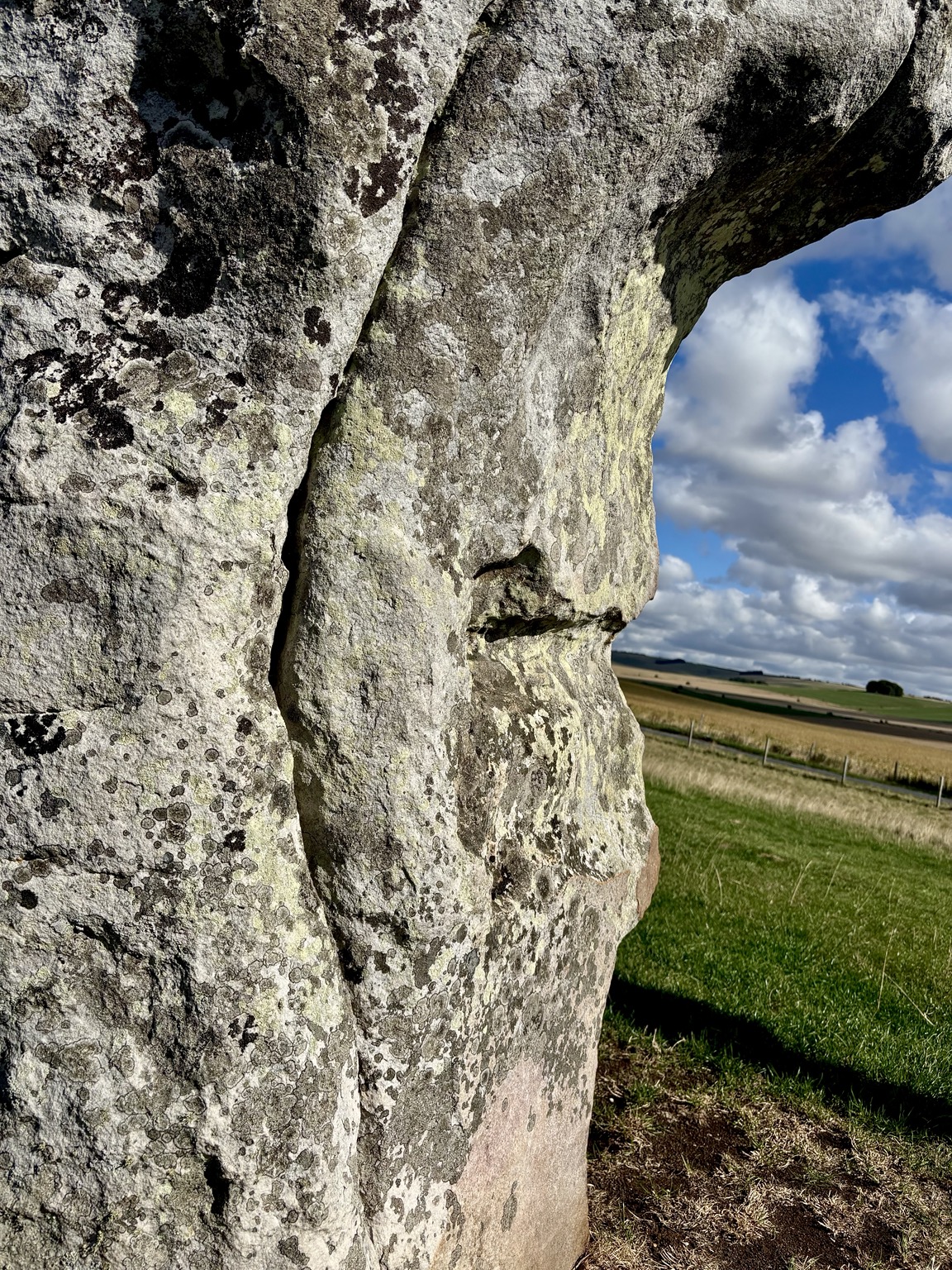
The stones in the living landscape
Avebury’s appeal is not one perfect viewpoint. It is the way the stones appear between fields, livestock, roads and ordinary village life.
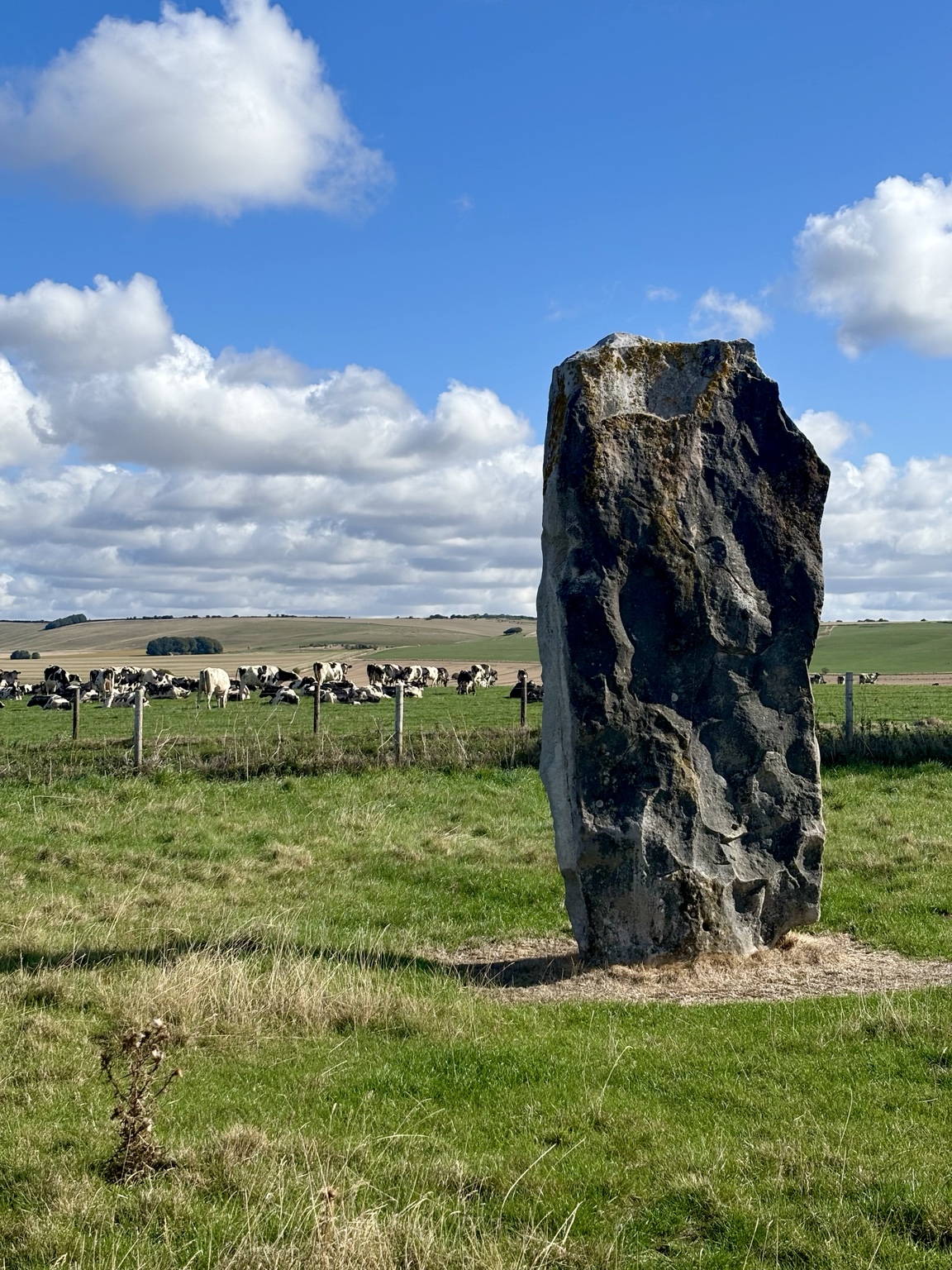
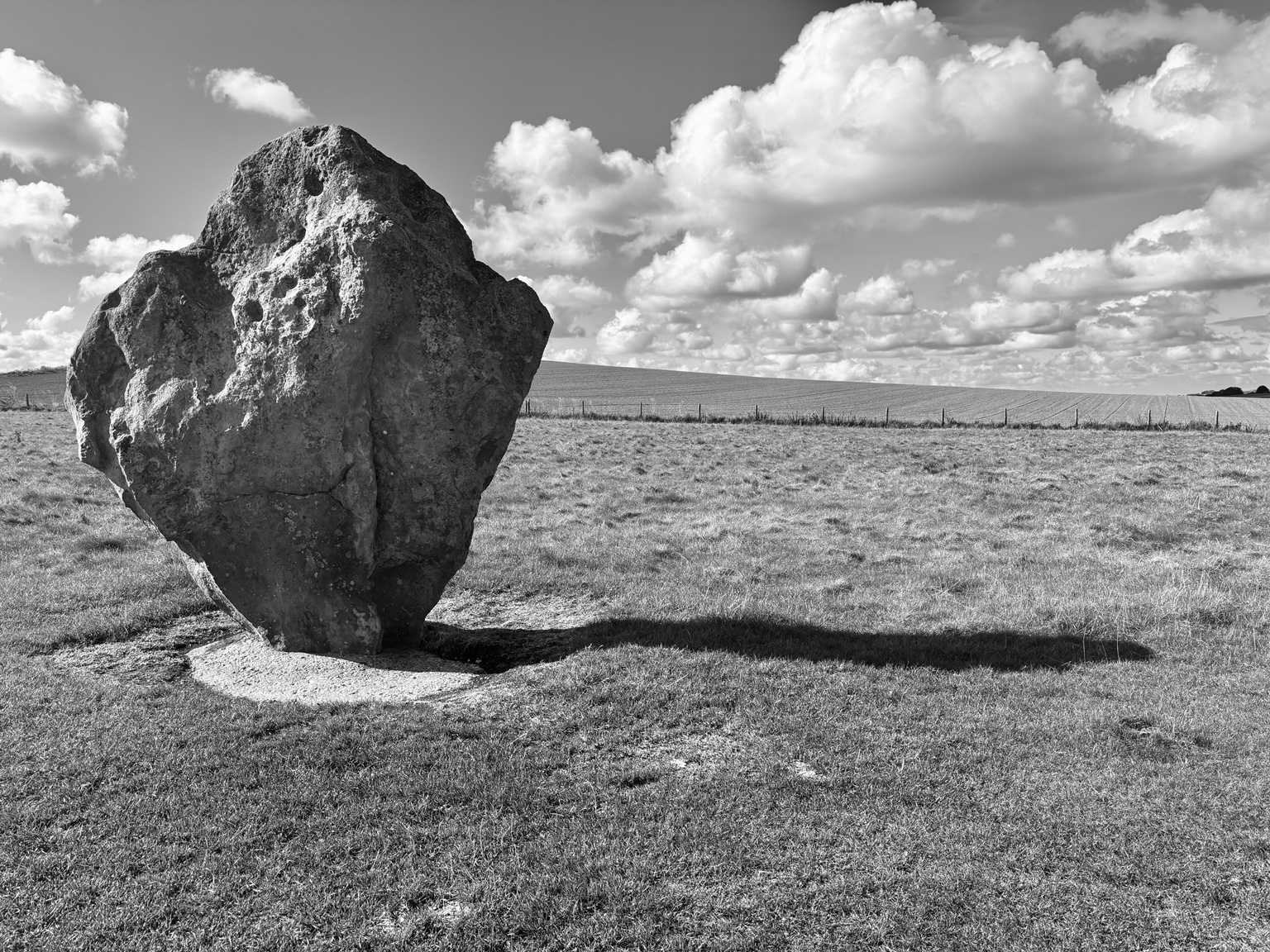

Small stops that strengthen the Avebury day
West Kennet and Silbury remain separate ParaMaps locations with their own ratings and full D pages. Here they are supporting stops – useful additions without taking over the Avebury feature.
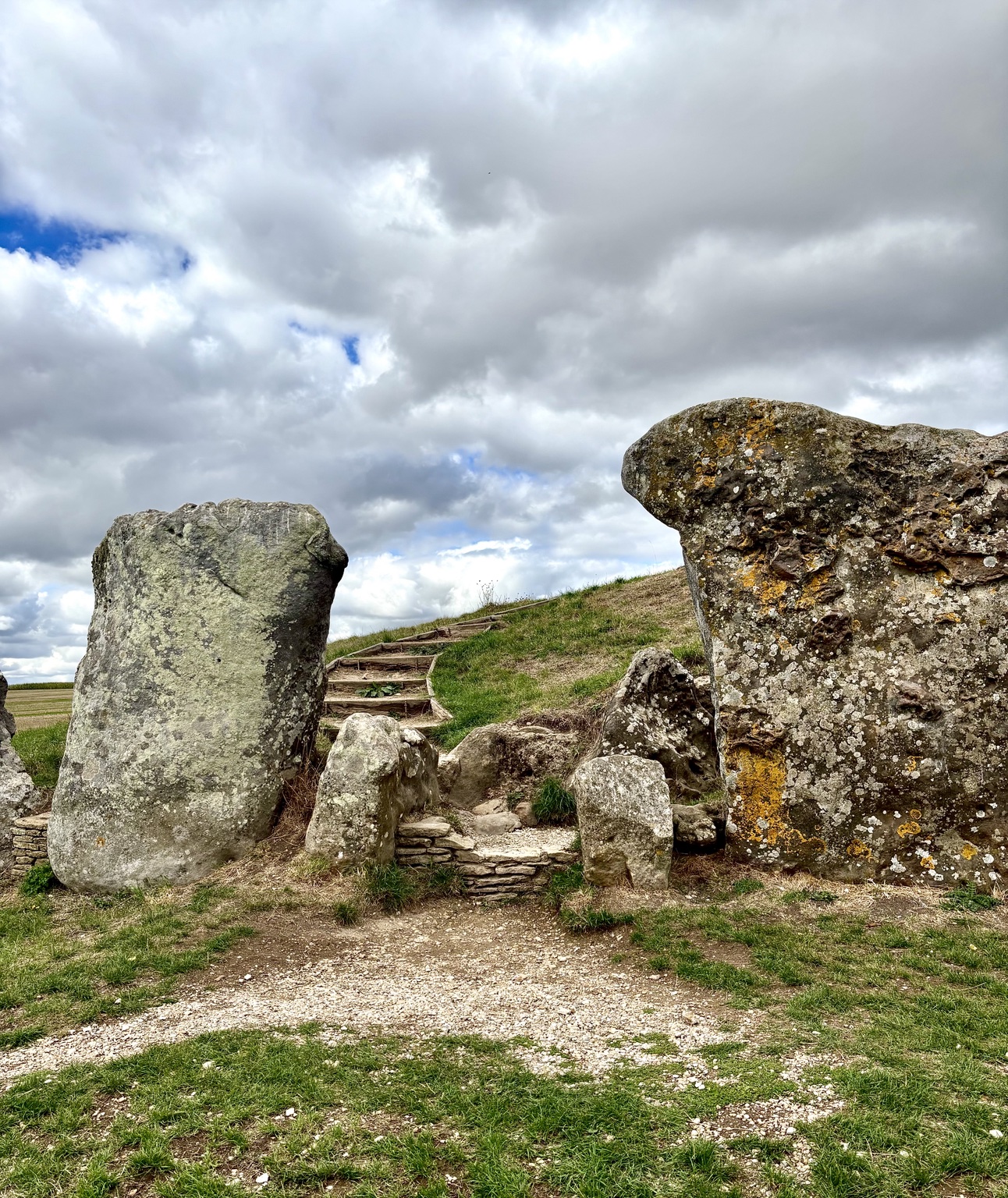
West Kennet Long Barrow
A Neolithic chambered tomb that visitors can enter. Its dark interior and exposed setting are atmospheric, although the barrow itself is a fairly short visit.
View the full location page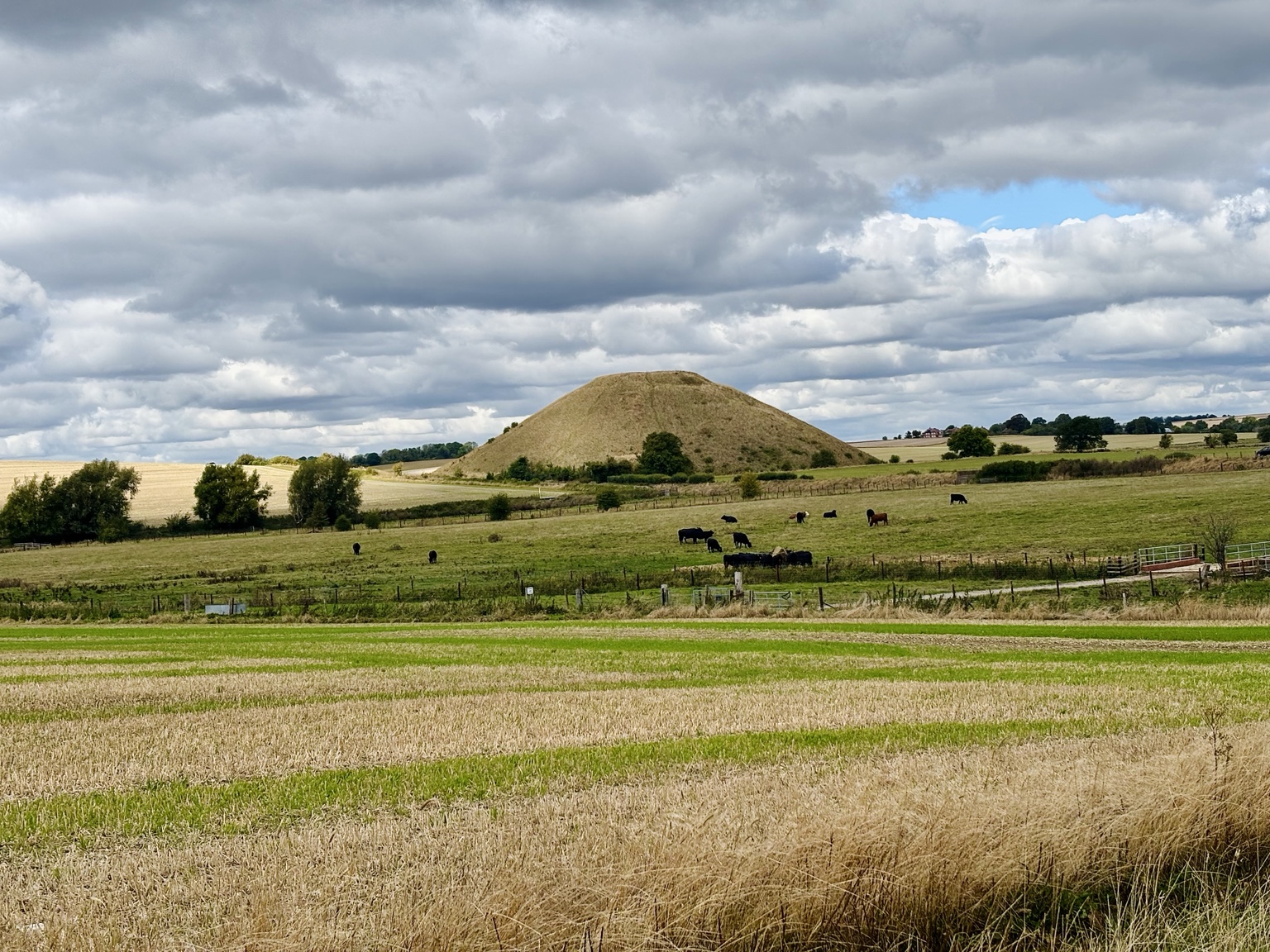
Silbury Hill
Striking to see across the landscape, but limited as a standalone visit. From West Kennet it helped the three monuments feel connected – our personal impression, rather than a historical claim.
View the full location pageThe sensible version of our day
All three locations work well together, but you do not need to recreate every questionable walking decision we made.
Start at Avebury
Explore the main circle and West Kennet Avenue while your legs and enthusiasm are still fully operational. Allow at least 1 – 2 hours.
Drive closer to West Kennet
Unless you specifically want a demanding walk, use the nearer access point for the long barrow. The visit itself is short but worthwhile.
Take in Silbury Hill
View it as the final visual link in the prehistoric landscape rather than expecting a conventional attraction with lots to explore.
Practical ParaMaps advice
Avebury is easy to enjoy casually. Combining the wider landscape needs a little more planning, especially if the weather is hot, wet or generally behaving like Britain.
Avebury first
We arrived at roughly 10:30 and used the smaller central car park near the café and cricket ground. Official parking options and prices can change, so check before travelling.
Official visitor information ↗Prepare for exposed terrain
Take water, suitable footwear and sun protection. If the ground is wet, expect mud and uneven footing. If long hills are not your idea of fun, drive between the main areas.
A 5★ day trip – with Avebury doing the heavy lifting
Avebury alone deserves the journey. West Kennet and Silbury are more modest individual stops, but together they reveal a wider prehistoric landscape that feels coherent, atmospheric and genuinely memorable.
Go for the stones. Stay for the landscape. Consider declining the surprise mountain expedition.
Visited 9 September 2026. Ratings reflect the ParaMaps visitor experience and whether each location is worth making a journey for – not its historical importance. Access, conditions and prices can change.