
Malmesbury Abbey
Malmesbury · Wiltshire · South West England
A fragment of a once-enormous medieval abbey, the lost resting place of England’s first king – and the home of a monk who tried to fly a thousand years ago.
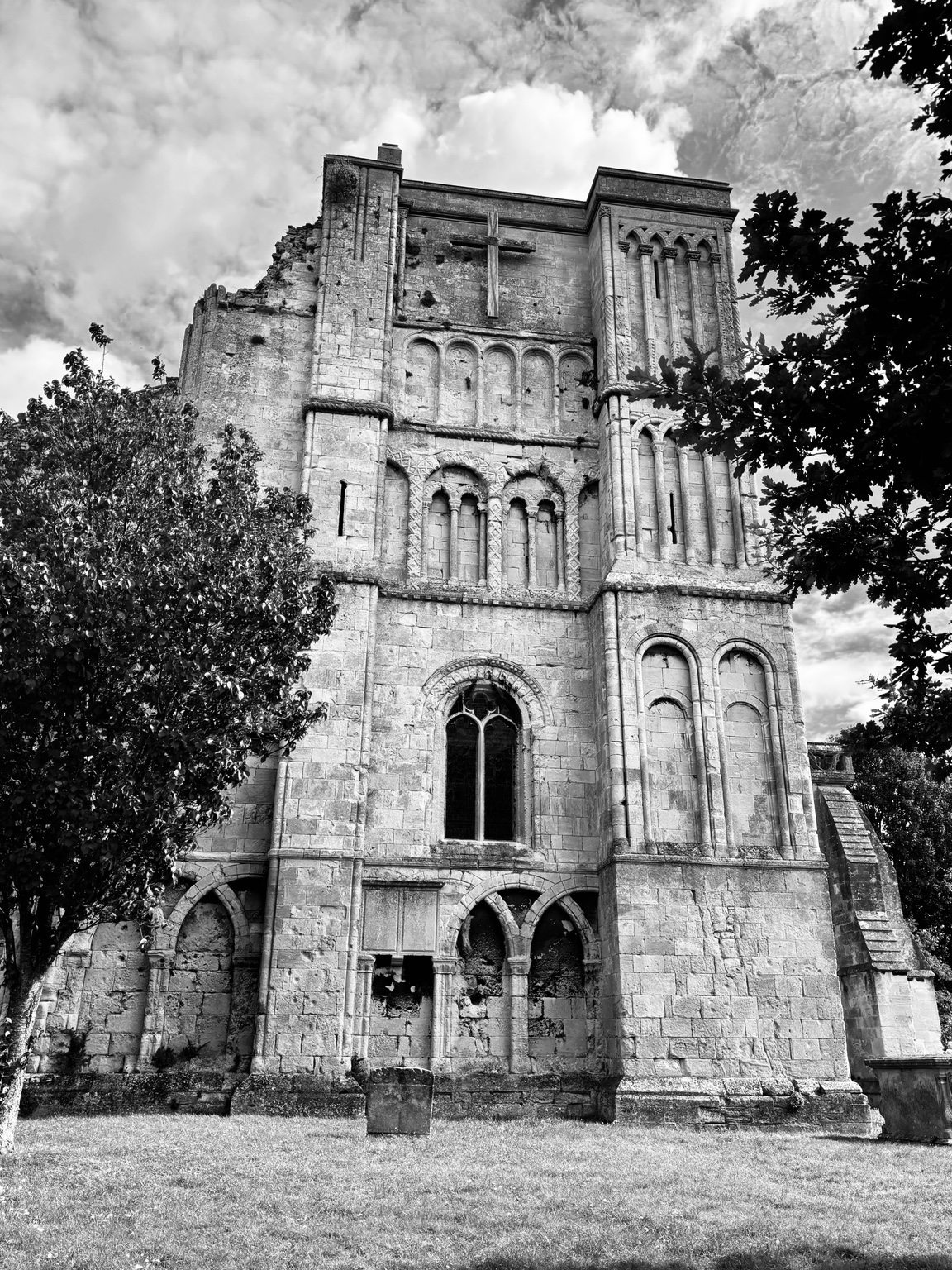
Photo: ParaMaps · Taken during our visit in September 2026
A fascinating detour – with far more to discover than its size suggests.
Malmesbury Abbey is free, welcoming and easy to explore, but its real strength is the extraordinary concentration of history attached to it. A lost royal burial, a monk’s medieval attempt at human flight and the battered remains of a church once far larger than the building standing today give you plenty to investigate – while the café and seating make it surprisingly easy to linger beneath those enormous arches.
Your visit at a glance
Field checked 10 September 2026Compact, welcoming – and surprisingly easy to linger in.
The surviving church is much smaller than the medieval abbey that once occupied the site, but this isn’t simply somewhere to poke your head inside and leave. Huge arches and vaulted stonework frame a working church where visitors can browse the small gift shop, stop for a coffee and take their time with the monuments and historical details before exploring the surviving Abbey fabric outside.
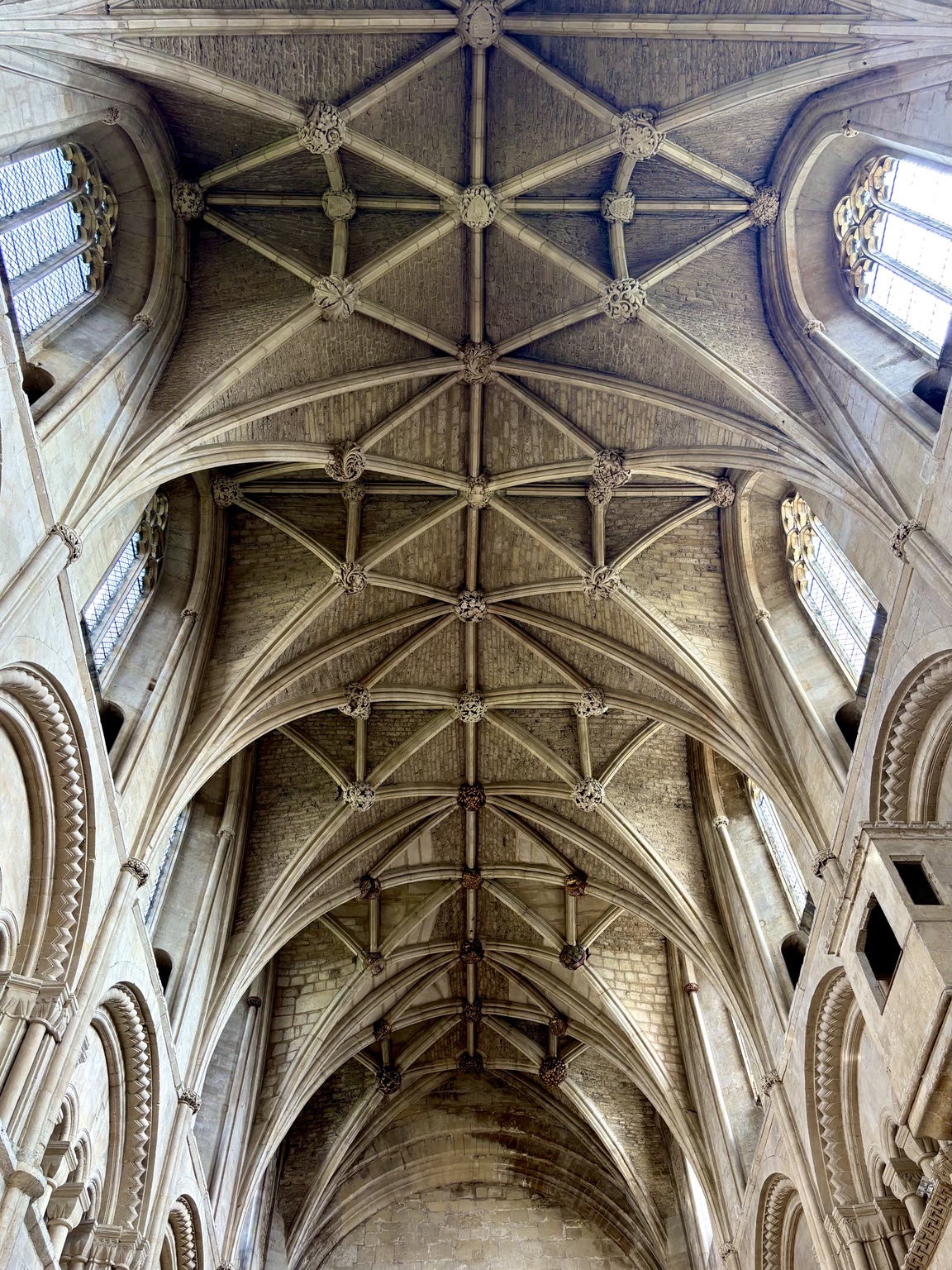
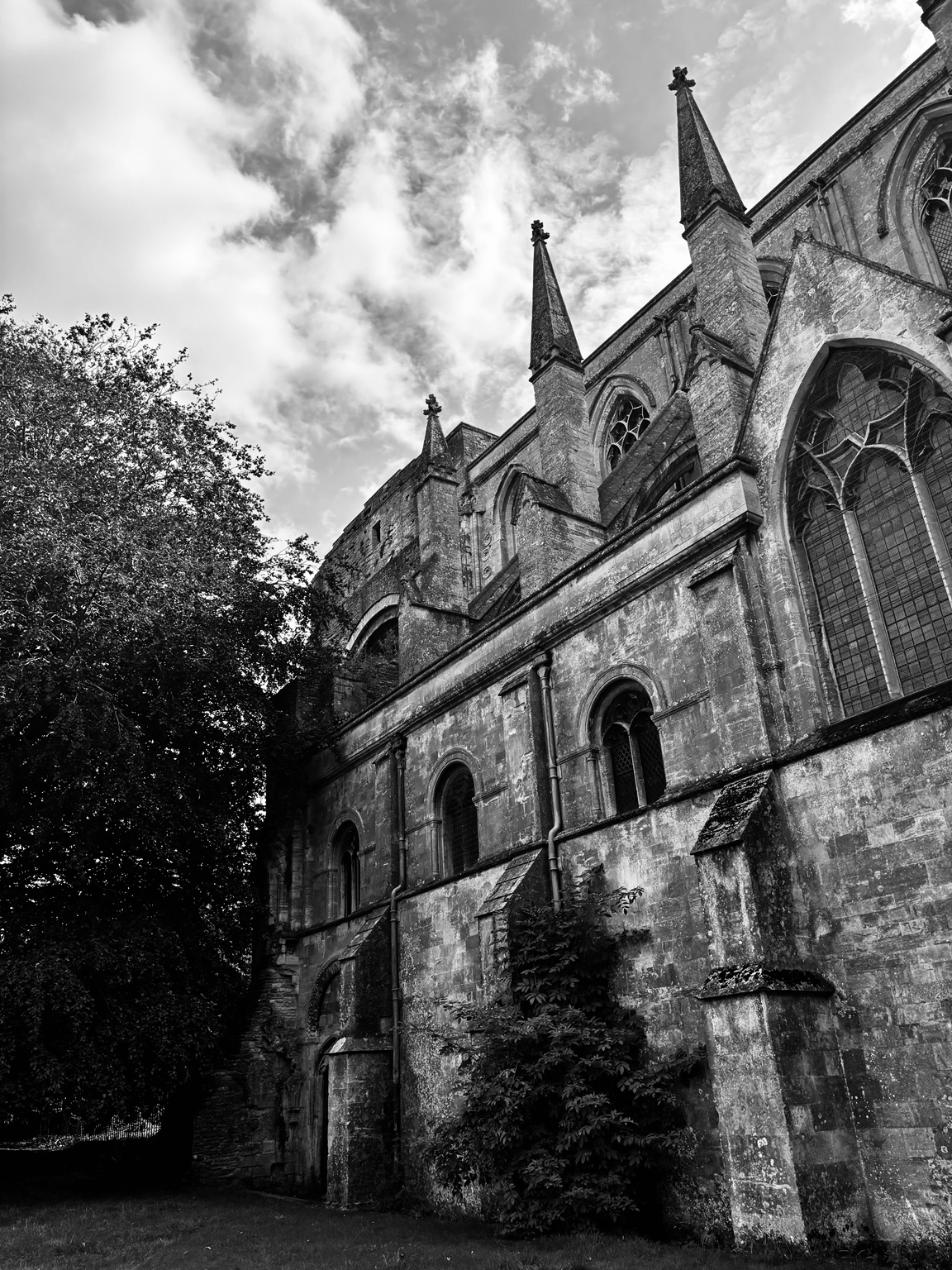
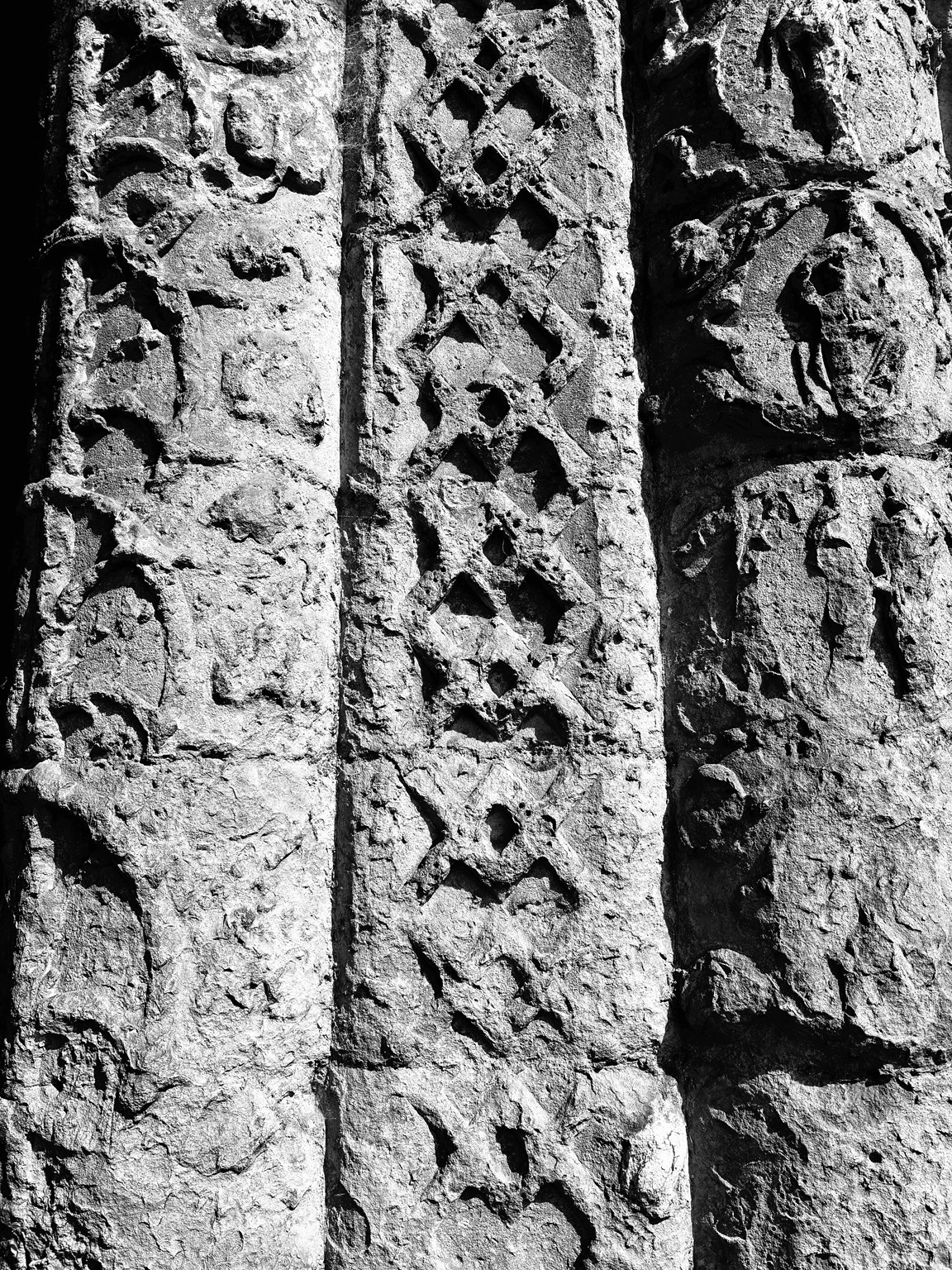
Thirteen centuries of history – and only a fraction left standing.
Malmesbury’s religious history reaches back into the Anglo-Saxon period. The surviving medieval church was begun in the 12th century and eventually formed part of a much larger Benedictine complex covering a substantial part of the northern town.
A Saxon religious centre
The site’s early history is associated with the Irish monk Mailduib and later St Aldhelm, under whom Malmesbury developed into an important centre of religion and scholarship.
The great Abbey
The surviving church was begun in the 12th century and expanded over the following centuries. At its height, the Abbey complex was vastly larger than the fragment visible today.
Survival after Dissolution
After the monastery was dissolved, the surviving nave was given to the people of Malmesbury for use as their parish church. Further structural losses eventually reduced it to the building we see today.
The Civil War left its mark.
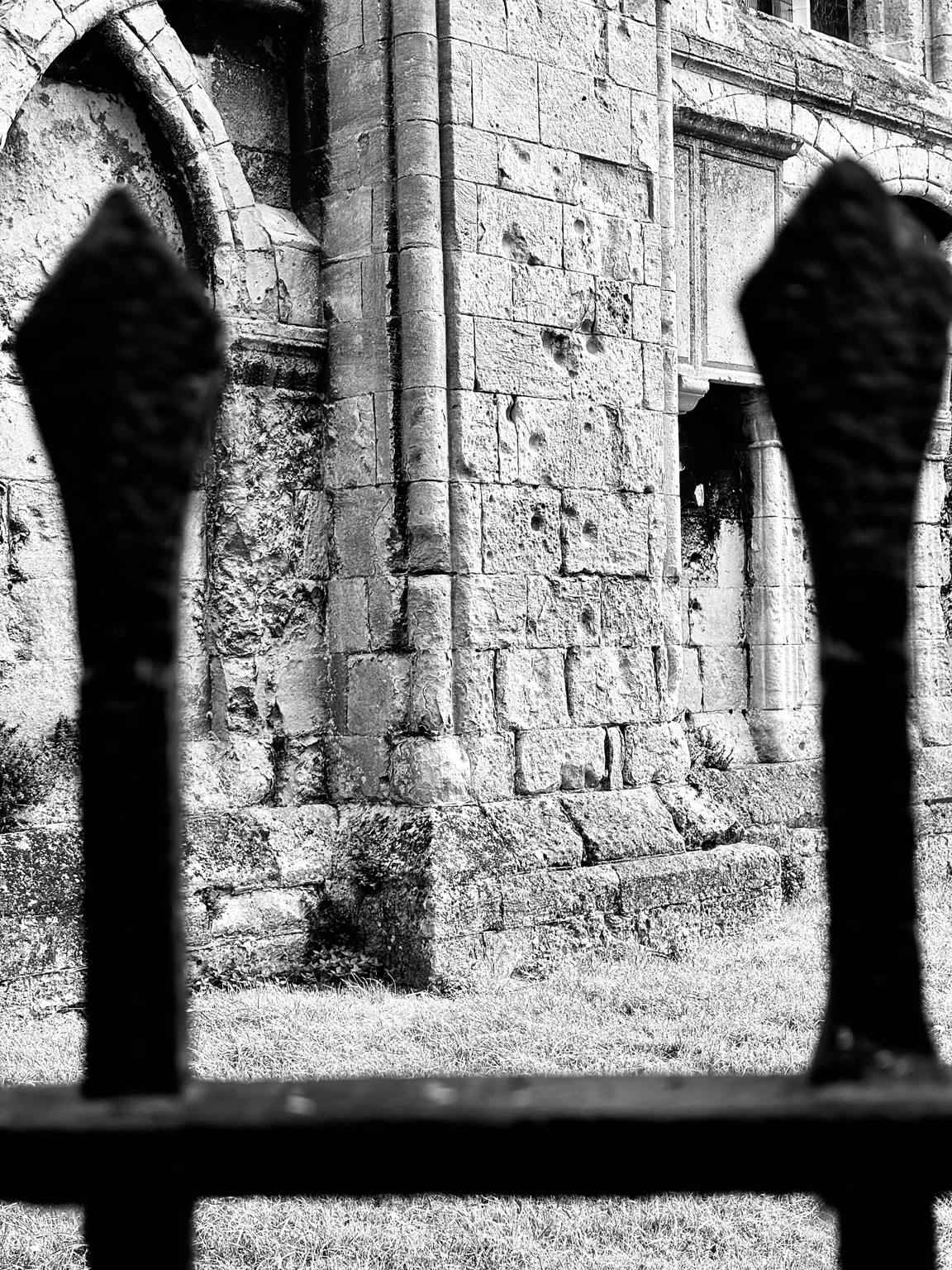
Malmesbury was repeatedly fought over during the English Civil War. Local historical records describe attacks approaching from the west and identify surviving shot marks in the Abbey’s western walls.
During our visit these marks were pointed out to us in the exterior stonework – an easy detail to walk past if you don’t know they’re there.
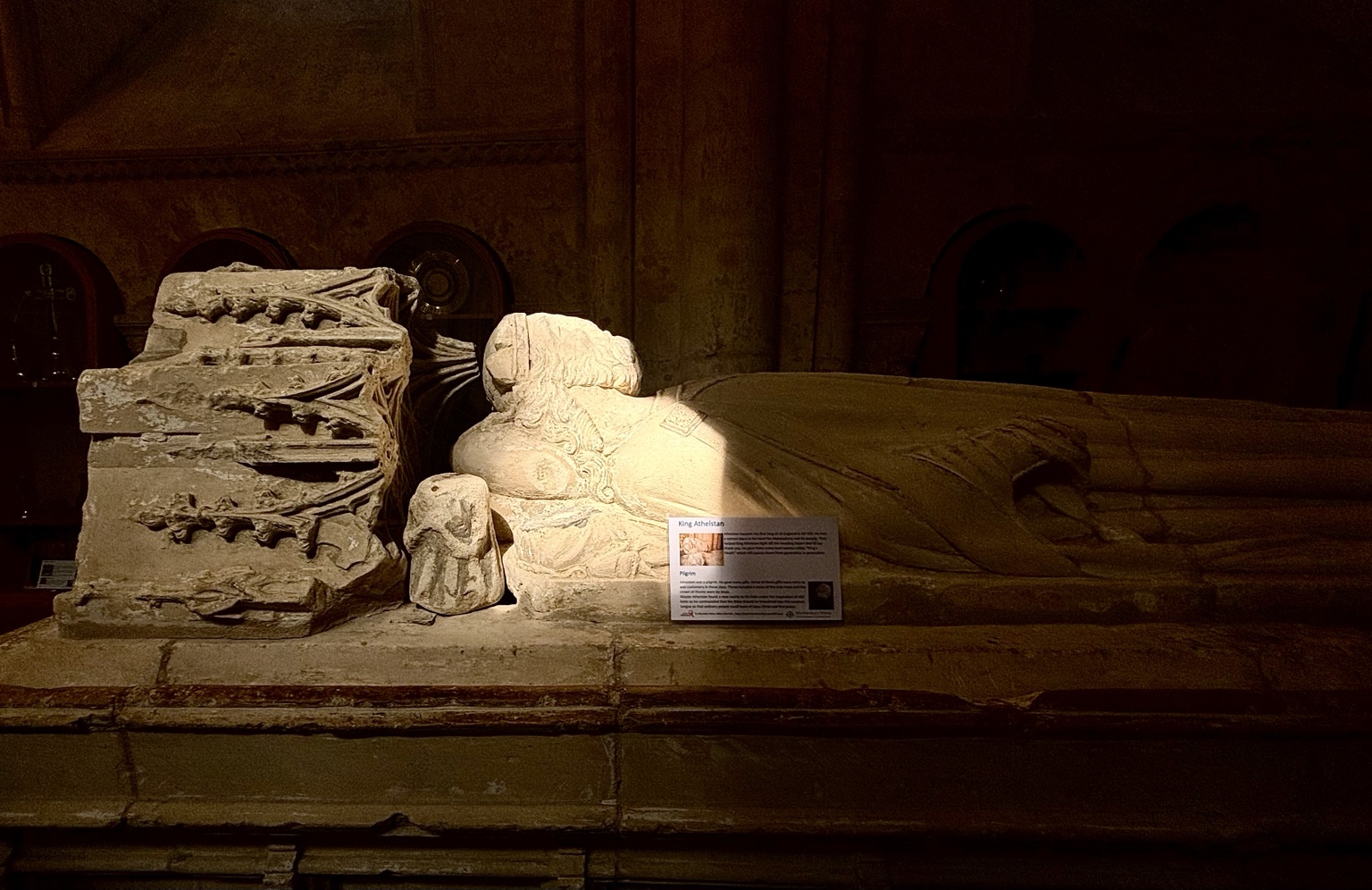
King Æthelstan was buried here. His grave did not survive.
Æthelstan, grandson of Alfred the Great and the ruler widely regarded as the first king of a unified England, died in 939 and was buried at Malmesbury.
The monument visitors see today is not his original 10th-century tomb. The Abbey was rebuilt and altered over the centuries and the exact location of Æthelstan’s remains has been lost.
That makes the monument slightly deceptive at first glance: it commemorates a king genuinely buried at Malmesbury, but it does not contain his known remains.
Eilmer – the monk who tried to fly.
Long before modern aviation, a Malmesbury monk apparently decided that human flight was worth testing for himself. Unlike many ancient flying legends, Eilmer’s attempt was recorded during the Middle Ages by historian William of Malmesbury.
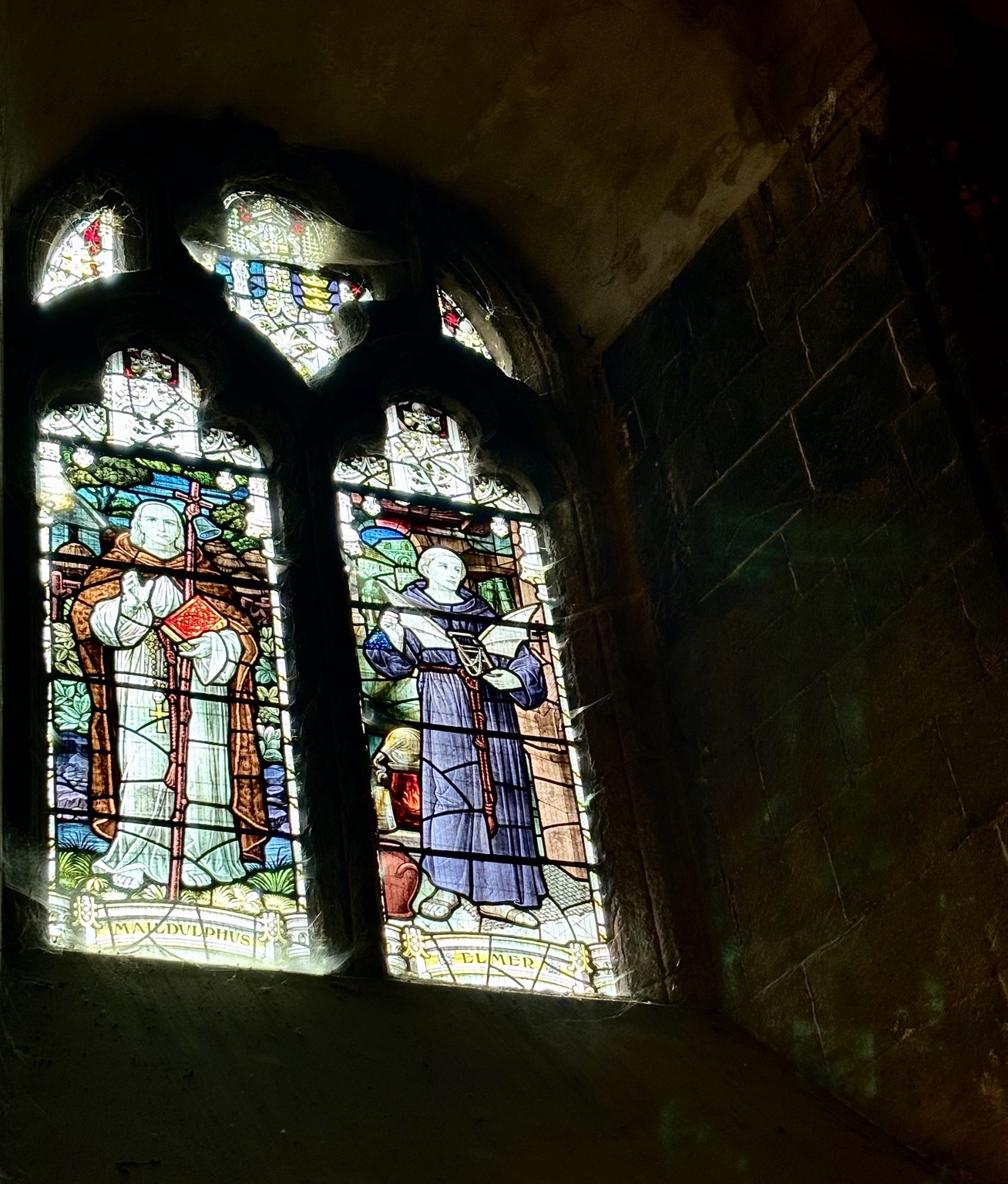
Wings, a tower – and a very hard landing.
William of Malmesbury recorded that Eilmer attached wings to his hands and feet before launching himself from a tower. He reportedly travelled more than a furlong – roughly 200 metres – before losing control and crashing.
He survived but badly injured his legs. According to William, Eilmer later concluded that his design had lacked a tail to provide stability.
The exact date, tower and design of the apparatus cannot now be reconstructed with certainty, and the present Abbey was built after Eilmer’s lifetime. But the underlying story has considerably older credentials than a modern local legend.
Give the Abbey an hour – then keep exploring.
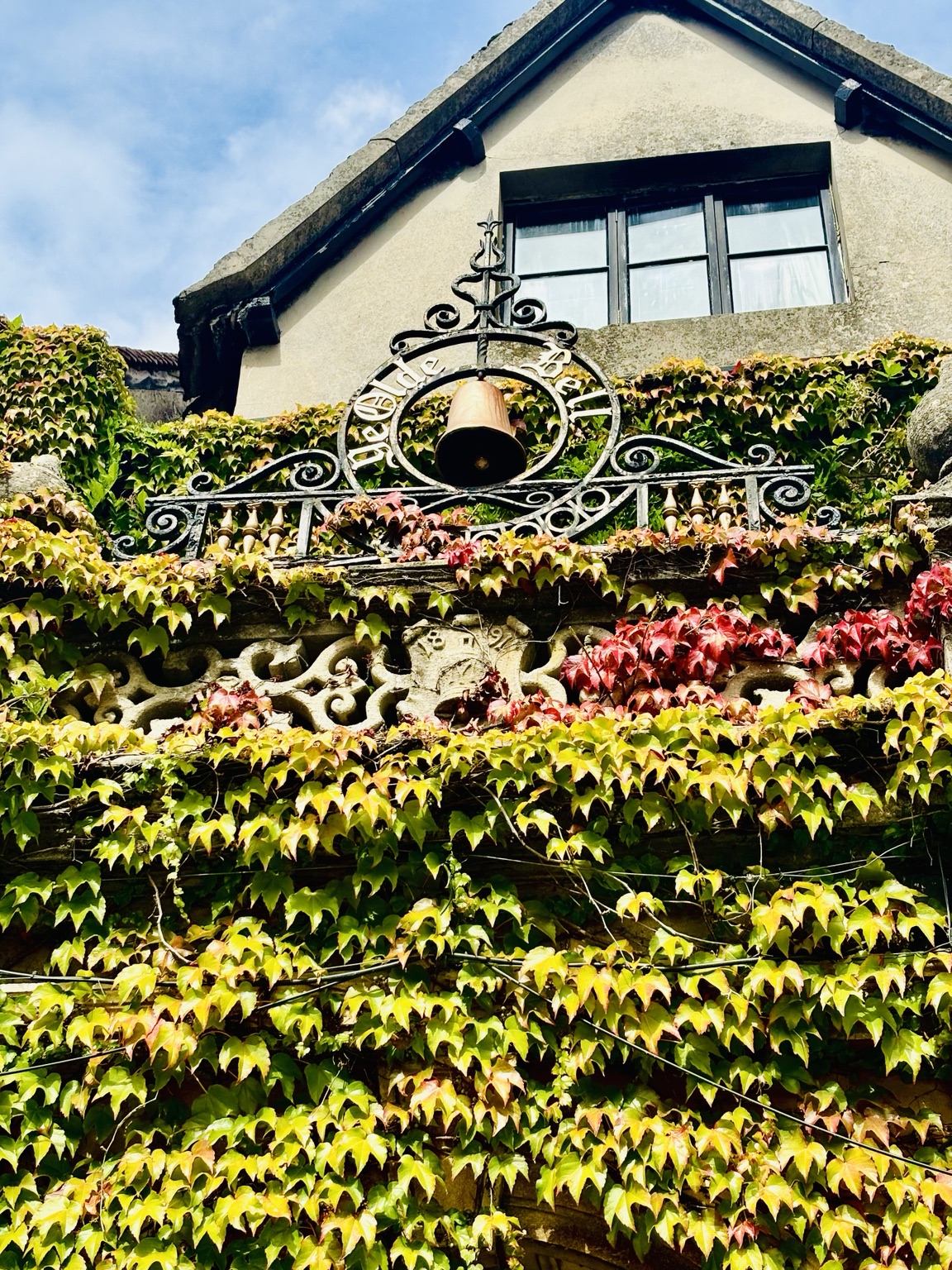
The Abbey works well as a relaxed hour-long stop before exploring more of Malmesbury. Give yourself time for the interior, the surviving exterior and grounds rather than treating it as a quick church visit; The Old Bell Hotel is then immediately next door if you want to extend the stop.
A simple Malmesbury stop
The stories matter here, so knowing what you’re looking for makes a big difference.
Explore the Abbey
Look for Æthelstan’s monument, Eilmer’s stained glass and the scale of the surviving medieval nave. Leave time to browse the displays, gift shop or stop for a coffee.
Walk around the exterior
Allow at least another ten minutes outside. The ruined fabric makes the former scale much clearer, and the western walls preserve marks associated with Civil War fighting.
Try The Old Bell
The historic hotel stands beside the Abbey and makes an extremely easy final stop for a drink – or potentially an overnight investigation of your own.
📍 Getting there
We found Malmesbury Abbey very easily and local signposting was good. We were also lucky enough to find a free two-hour parking space immediately outside.
Parking: availability and restrictions can change, so check signs when you arrive
☕ Access and facilities
The Abbey is a working historic church rather than a conventional visitor attraction, but it is a welcoming place to spend some time. During our visit there was a café area with tables inside the Abbey, a small gift shop and knowledgeable people available to talk about the building’s history. Check current arrangements directly if accessibility or specific facilities will determine your visit.
Make Malmesbury part of a wider Wiltshire day.
The Abbey works particularly well as a relaxed historic stop between larger destinations, with enough here to occupy an hour before continuing your day.
Avebury
Walk among one of Britain’s greatest prehistoric landscapes, where stone circles, henge and village occupy the same remarkable site.
View destination →The Old Bell Hotel
Already next door – but worth its own deeper look for more than 800 years of hospitality, medieval fabric and a long accumulation of ghost stories.
View destination →Three stars – and a very good detour.
Malmesbury Abbey isn’t a huge attraction, but there’s considerably more here than its size suggests. Entry is free, the history is excellent and within one compact site you get a lost royal burial, extraordinary medieval architecture, Civil War scars and one of Britain’s strangest early stories of attempted flight. Give yourself an hour rather than rushing it – especially if a coffee beneath those enormous arches sounds appealing.
Add a wander around Malmesbury and a drink at The Old Bell and the wider stop becomes much stronger. We’d return – particularly if an overnight stay next door happened to involve testing a few of those ghost stories.