
Shepton Mallet Prison
Shepton Mallet · Somerset · South West England
Four centuries of confinement, execution and wartime secrecy – and one of the most substantial historic-prison visits we have found.
Photo: ParaMaps · Taken during our visit in September 2026
A genuine destination – not merely a quick paranormal detour.
The scale makes the difference. Four wings, several levels, rows of cells, narrow corridors and stark punishment spaces create a visit with real substance. The prison did not feel relentlessly spooky during the day, but it never needed to: its documented history, freedom to explore and sheer physical presence carried the experience.
Your visit at a glance
Field checked 8 September 2026Free to wander – and large enough to lose your bearings.
A numbered route provides direction, but the branching corridors and repeated landings still create the slightly disorientating feeling a prison ought to have. Information boards and staged scenes add context without turning the building into a theme park.
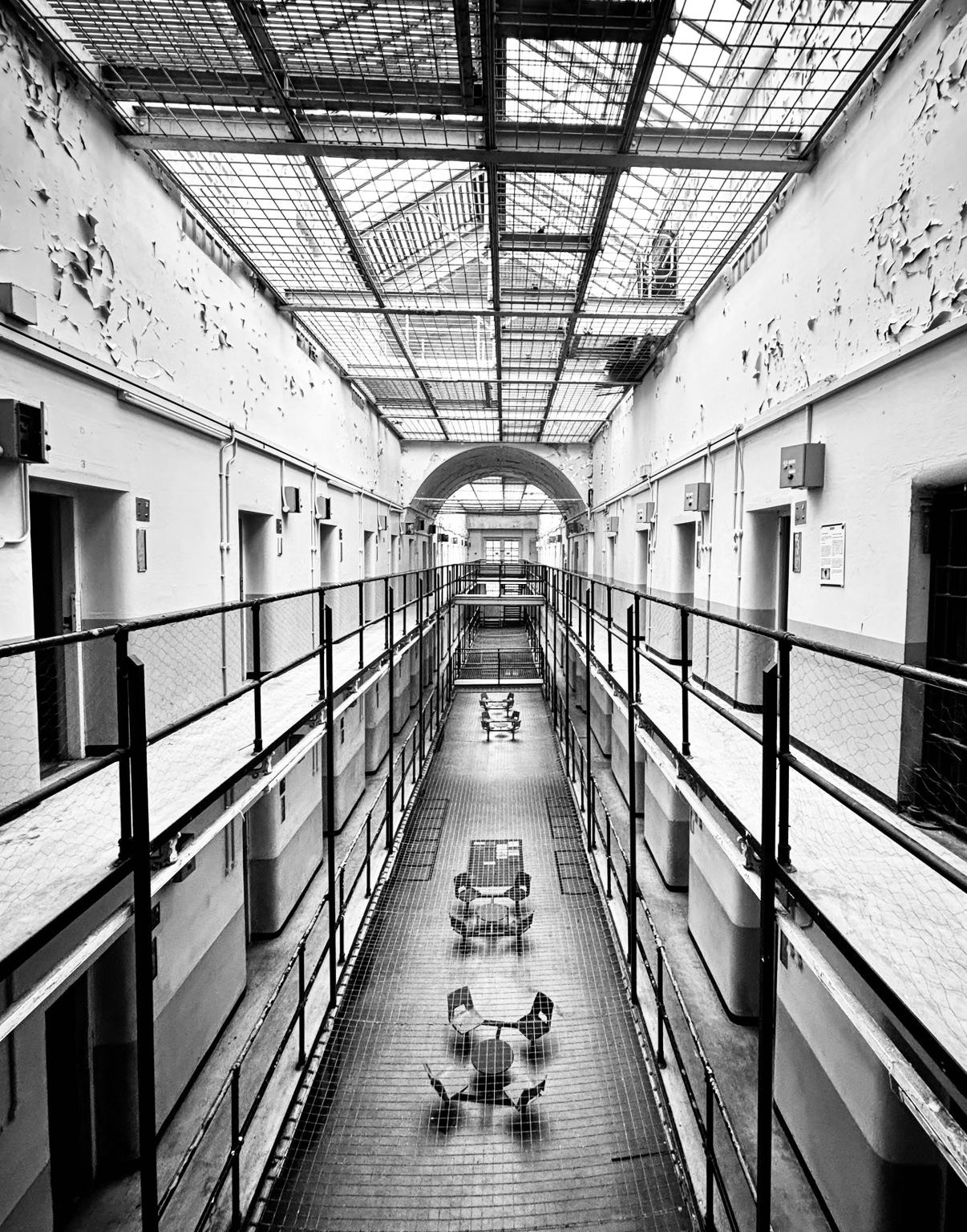
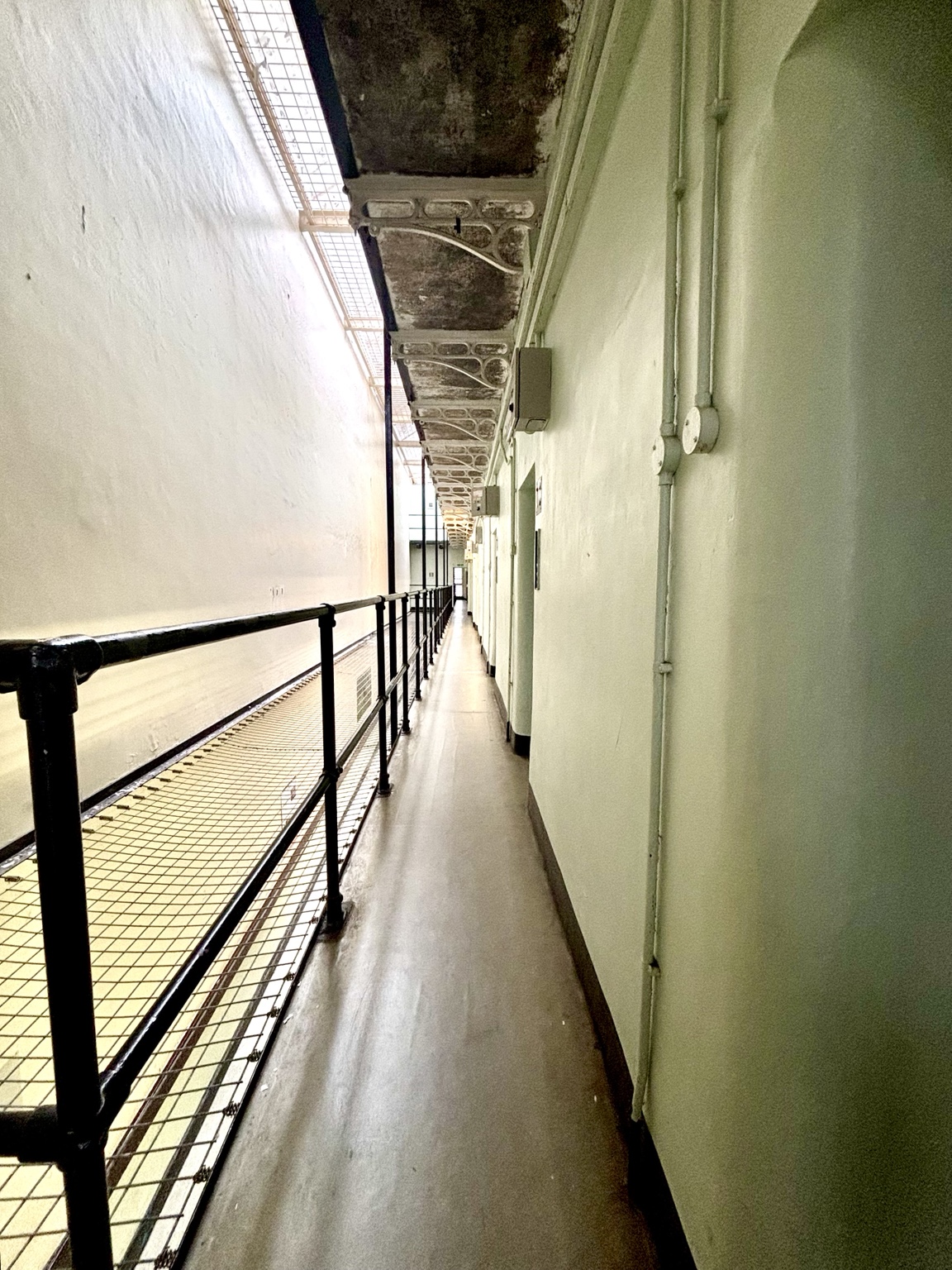

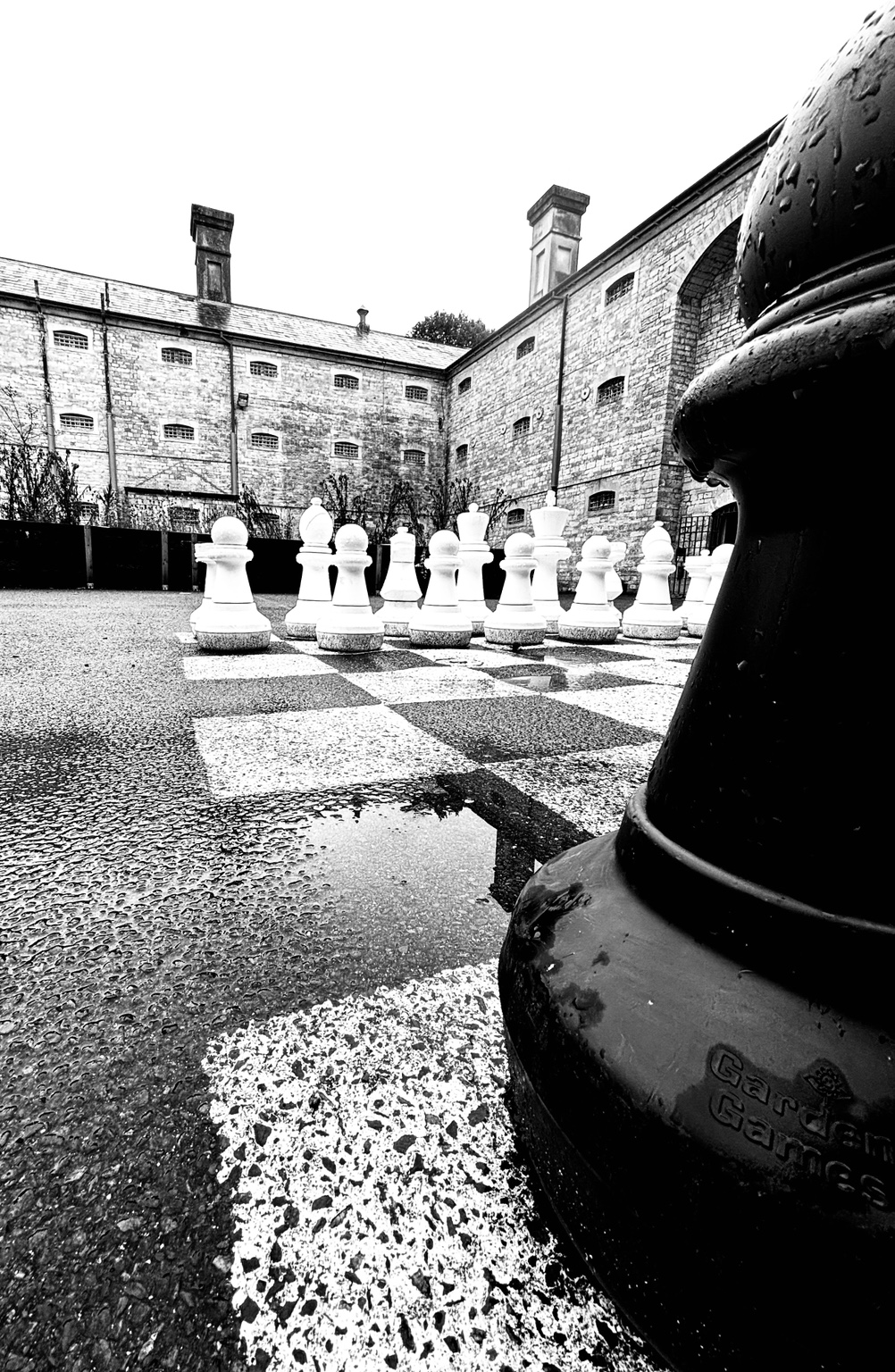
From Jacobean house of correction to Britain’s oldest working prison.
First opened in 1625, Shepton Mallet changed repeatedly before closing in 2013. At that point it was Britain’s oldest operating prison – a more defensible claim than the looser “world’s oldest prison” description sometimes used in promotional material.
A prison takes shape
The first inmates arrived in 1625. The complex expanded over the following centuries, with much of today’s imposing structure reflecting Georgian and Victorian rebuilding.
Military prison and guarded secrets
Part of the site became a United States military prison. American servicemen were held here and executions took place within the prison; other areas protected important national records.
The gates reopen
After the working prison closed, its wings and cells reopened as a heritage attraction offering self-guided entry, tours, escape rooms and after-dark experiences.
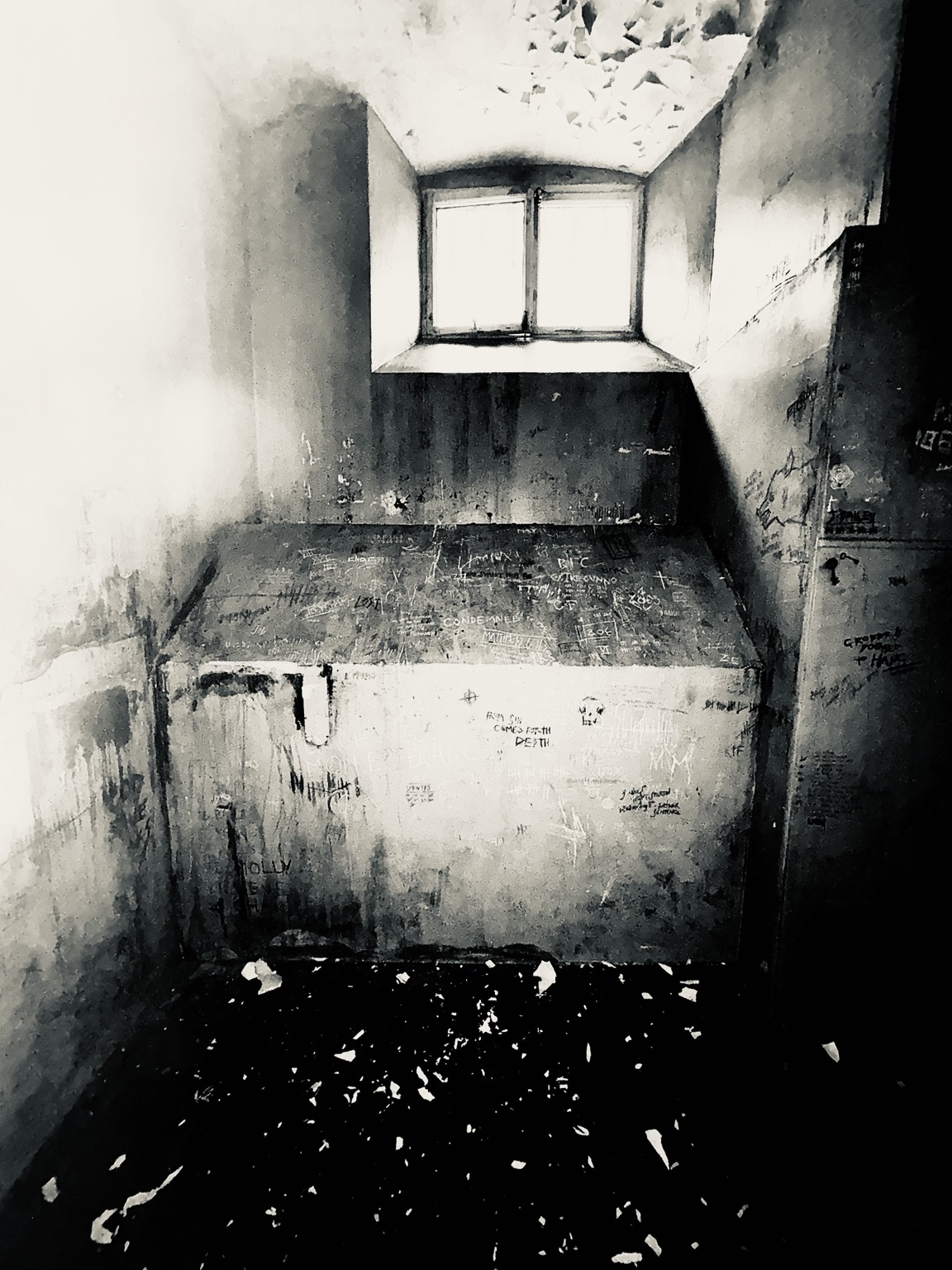
Some rooms need no embellishment.
The condemned cell, execution room, firing wall and surviving cells carry far more weight than any staged scare. They turn an interesting historic building into something human and uncomfortable.
One room also produced the only distinctly oppressive sensation of our daytime visit – the air felt unexpectedly thick and heavy. That is a personal observation, not evidence of paranormal activity, but it was noticeable enough to record.
The White Lady of Shepton Mallet
The best-known prison ghost is traditionally linked to an eighteenth-century murder story: a condemned woman said to have appeared in her wedding dress before her execution.
Later accounts place a pale female figure or unexplained presence within the older parts of the prison. The tale remains compelling folklore, but the woman’s identity and the details repeated about her are not established to the same standard as the prison’s documented history.
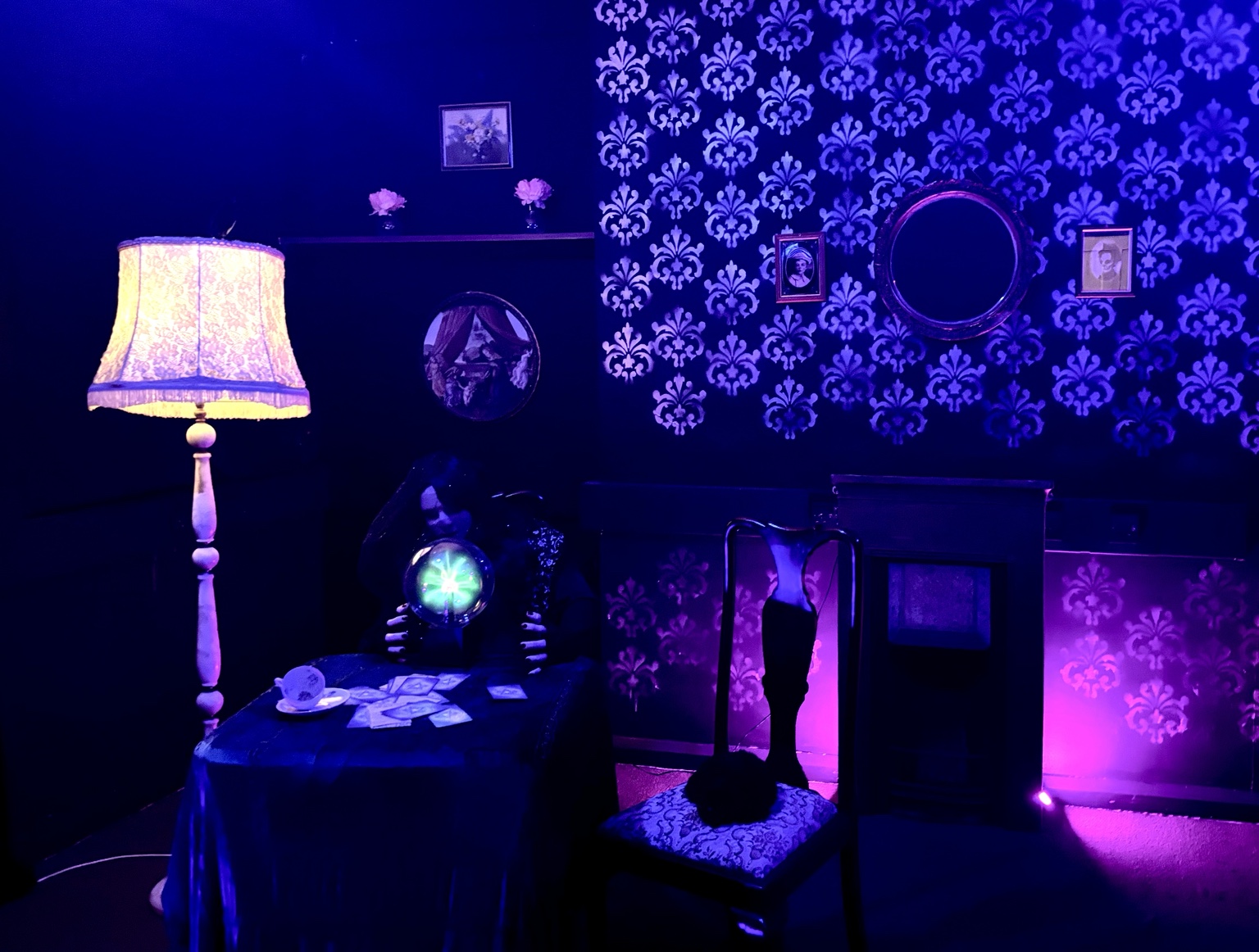
What people say happens behind the gates.
The prison’s reputation includes fleeting figures, voices, footsteps and sudden oppressive sensations. Many reports cluster around the wings, cells and punishment spaces where the physical atmosphere is already strongest.
Figures on the wings
Visitors and investigators describe shadowy movement or apparently solid figures glimpsed on corridors and landings before disappearing.
Voices in empty cells
Disembodied speech, knocks and footsteps are reported when nearby cells and walkways appear to be empty.
A sense of presence
Other accounts focus on sudden unease, close proximity or the feeling of being watched rather than anything clearly seen.
Give yourself time to follow the route – and wander a little.
The daytime self-guided visit works well without an organised tour. We were often alone in the corridors, and a friendly member of staff also shared some of the prison’s paranormal stories with us.
A simple daytime route
The numbered system helps, but expect plenty of corridors, turns and stairs.
Start with the context
Use the reception and museum material to orient yourself before entering the main wings.
Follow the numbered route
Explore the cells, landings and staged scenes, allowing time for the information boards rather than rushing through.
Slow down in the final rooms
The condemned cell, execution areas and firing wall deserve a quieter visit than the more theatrical spaces.
📍 Getting there
Apple Maps brought us directly to the entrance, but we noticed little roadside signposting beyond the immediate site. Use the full address rather than relying on attraction signs.
Parking: limited spaces directly outside; observe local signs and restrictions
♿ Access and facilities
The prison has steep, tight stairs, long walking routes and restricted historic areas. Contact the venue before booking if step-free access will shape your visit. Toilets, a small café, reception, museum displays and a gift shop are available; the toilets also provided free sanitary products during our visit.
More ParaMaps stops within reach.
Shepton Mallet is substantial enough to be the main event, but it can still anchor a wider Somerset and Wiltshire day.
Avebury
Walk through a vast ceremonial landscape where the village, henge, stone circles and ancient avenues still occupy the same living place.
View destination →The Old Bell Hotel
One of England’s oldest hotels, combining medieval architecture with a long accumulation of ghost stories and reported footsteps.
View destination →Five stars – without hesitation.
Shepton Mallet delivers scale, history, atmosphere and freedom to explore in a way that many dark-history attractions simply do not. We would return – next time for an evening ghost tour or, courage permitting, an overnight stay in the cells.